
Planets and Pulsations: The New Keplerian Revolution
a public lecture by
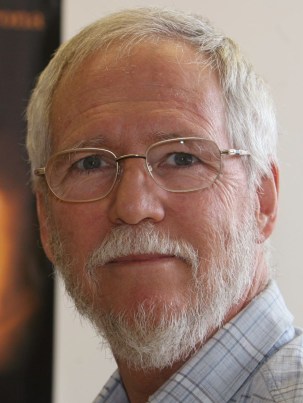
Professor Don Kurtz
Jeremiah Horrocks Institute, the University of Central Lancashire, Preston, UK
Wednesday, 6 December 2017,
6:00-7:20 pm
Newton Lecture Theatre INB0114 in the Isaac Newton building, University of Lincoln
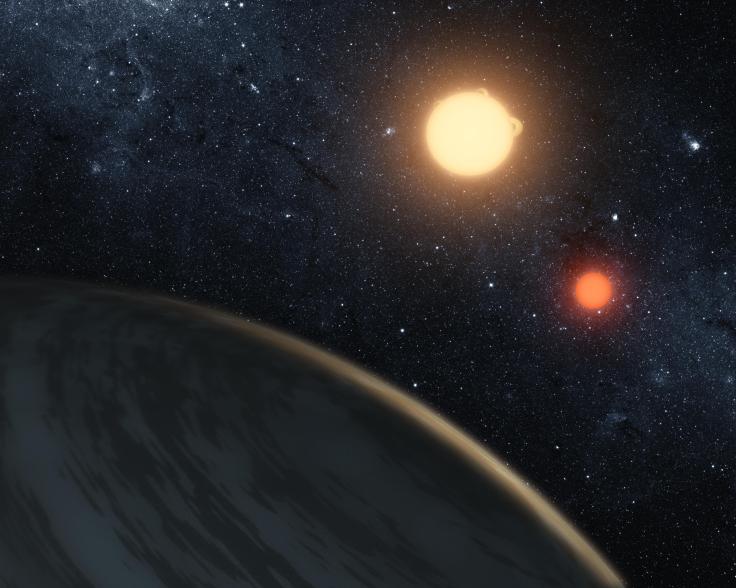
One of the biggest questions humans can ask is, “Are we alone?” Does Earth harbour the only life in the universe? Everyone has an opinion on this question, but as scientists, we want to know. A first step is to find other planets like the Earth, planets with rocky surfaces and liquid water where conditions are similar to home. The Kepler Space Mission has done this. With the discovery of nearly 5000 planets orbiting other stars Kepler has revolutionised our view. It has found entire solar systems orbiting other stars and it has even found planets orbiting double stars: Yes, Luke Skywalker’s fictional home planet Tatooine really does…
View original post 104 more words
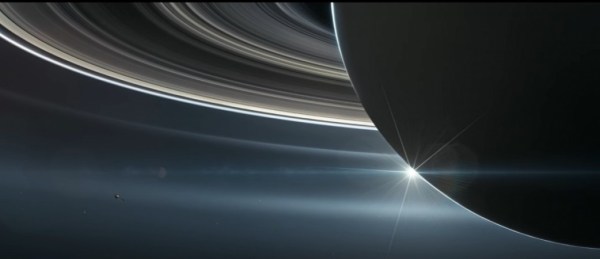
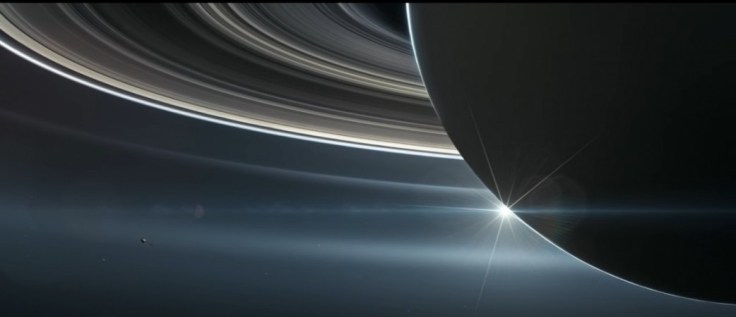
 The Cassini spacecraft has been in orbit around Saturn since 2004. The unprecedented detail of over a decade’s worth of observations of Saturn, its rings and many moons has helped us further understand our Solar System. With Saturn being placed onto a direct collision with Saturn in the later part of 2017 we are expecting the most exciting science to come from these more risky manoeuvres. We will recap some of the most important and exciting discoveries that Cassini has made over the following decade along with its very last contributions to science.
 Lincoln Astrophysics Team