Exploring Super and Micro Moons: Are Any Left in 2024?

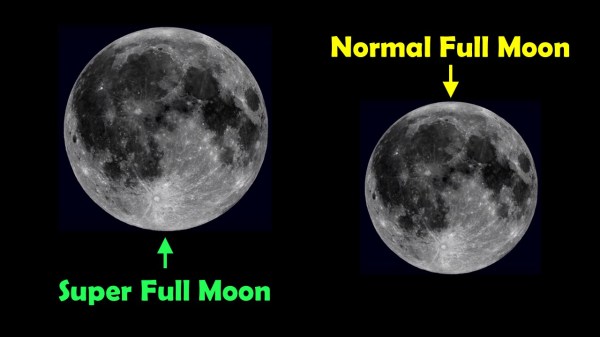
A super full moon, also known as a supermoon, occurs when a full moon coincides with the moon’s closest approach to Earth in its orbit, called perigee. This close proximity makes the moon appear larger and brighter in the sky than usual. Supermoons can appear up to 14% larger and 30% brighter than a regular full moon, though the difference may not always be easily discernible to the naked eye. Supermoons are relatively rare events and can create spectacular views for skywatchers.

The remaining super full moons of 2024 will be on 18th September and 17th October.

A micro new moon occurs when the new moon coincides with the moon’s farthest point from Earth in its orbit, called apogee. During a micro new moon, the moon appears slightly smaller in the sky than usual because it is farther away from Earth. Unlike supermoons, which appear larger and brighter, micro new moons may not be as noticeable to the naked eye due to their reduced size and brightness. These events are also relatively rare and can offer interesting astronomical observations for enthusiasts.

The remaining micro new moon of 2024 will be on 2nd October, which coincides with an annular (ring of fire) eclipse.
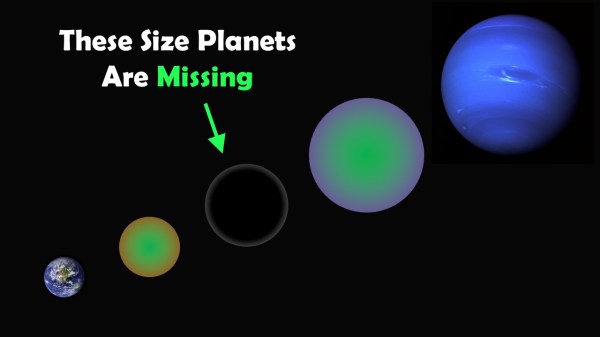
The Sub-Neptune Radius Valley: A Preview of Our New Module “The Solar System and Exoplanets”

Excited for the second year of our new Physics with Astrophysics degree program at the University of Lincoln! Right now, I’m fully immersed, working on one of our new modules called “The Solar System and Exoplanets.” We’re diving deep into how planets form and trying to unravel the mystery of the huge variety of exoplanets we keep discovering. Check out this quick video for a taste of what we’re digging into in the module.


The apparent lack of planets with radii 1.5–2 times that of Earth is known as the Sub-Neptune radius valley. First noted in 2011, a bimodality in the Kepler exoplanet population was ascribed to the lack of substantial gas atmospheres on close-in, low-mass planets. It was mentioned that this trait could support the growing theory that atmospheric mass loss could be caused by photoevaporation. This would result in a population of planets with thick envelopes dominated by helium and hydrogen with bigger radii at higher separations from their parent stars, and a population of naked, rocky cores with lower radii at small separations.

Astrophysics Field Trip – La Palma 2024

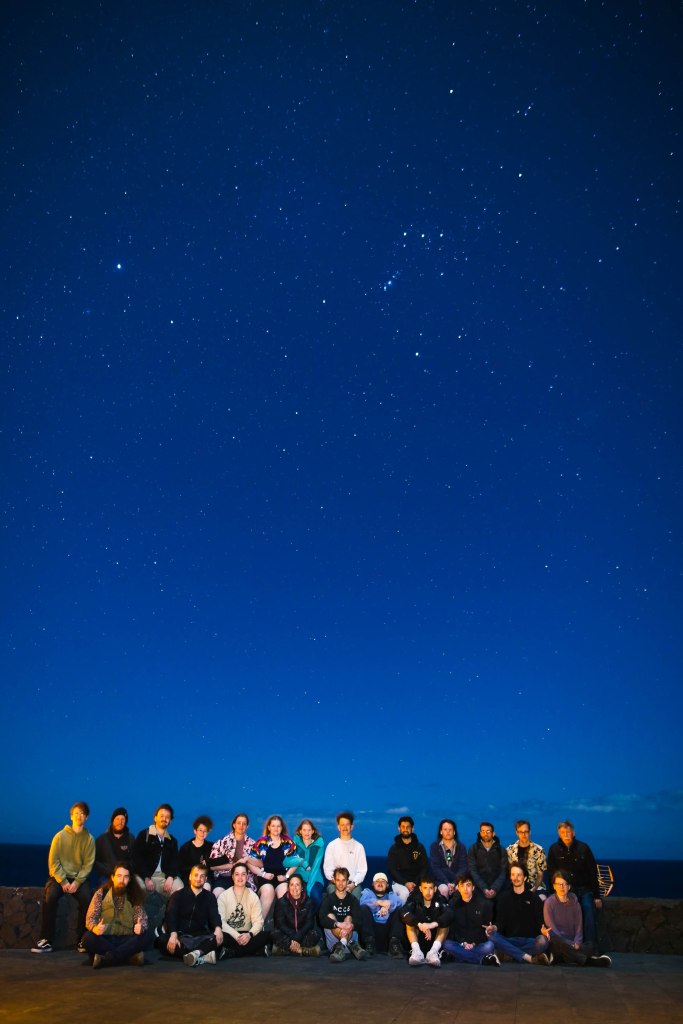
Our third-year physics students in the School of Mathematics and Physics went on a field trip to La Palma in the Canary Islands between the 14th and 21st of March 2024.

This field trip is in connection with the module “Physics of the Universe”, which is our third-year astrophysics module, and teaches students about a broad range of topics from exomoons to star formation and the universe.

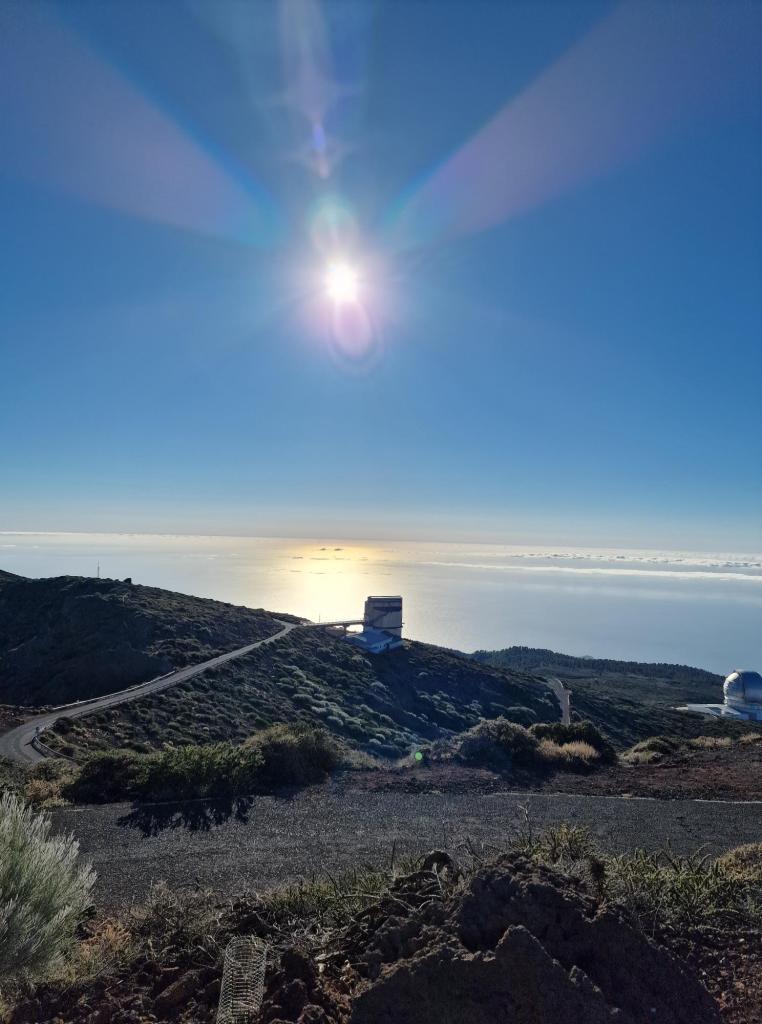
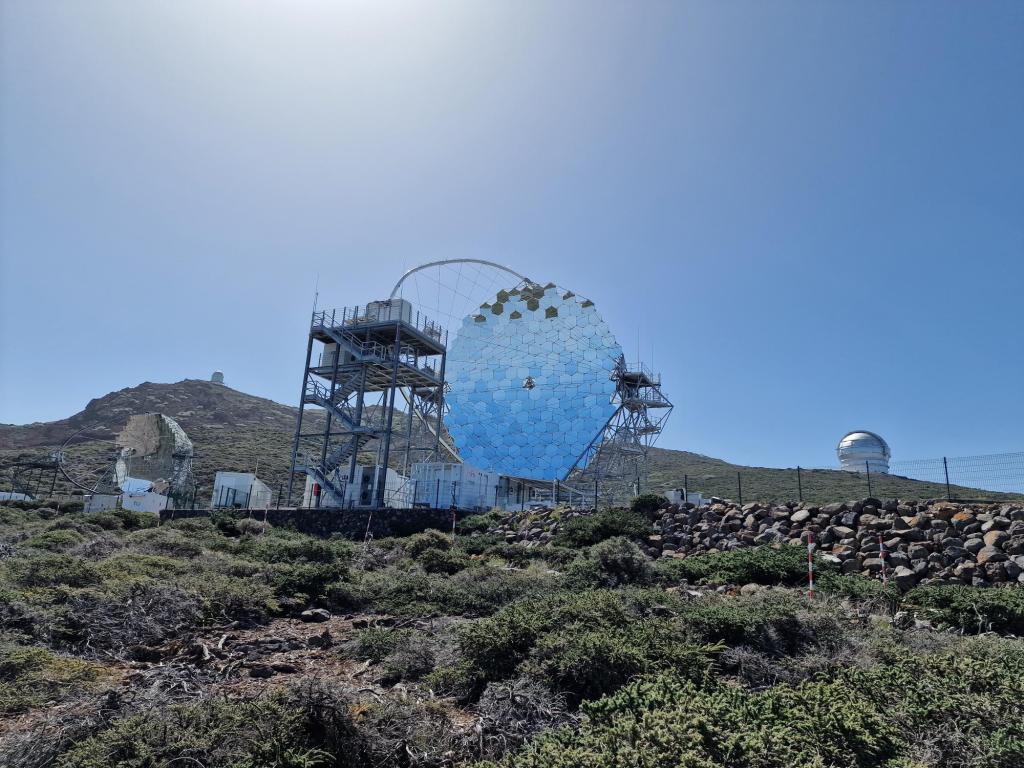
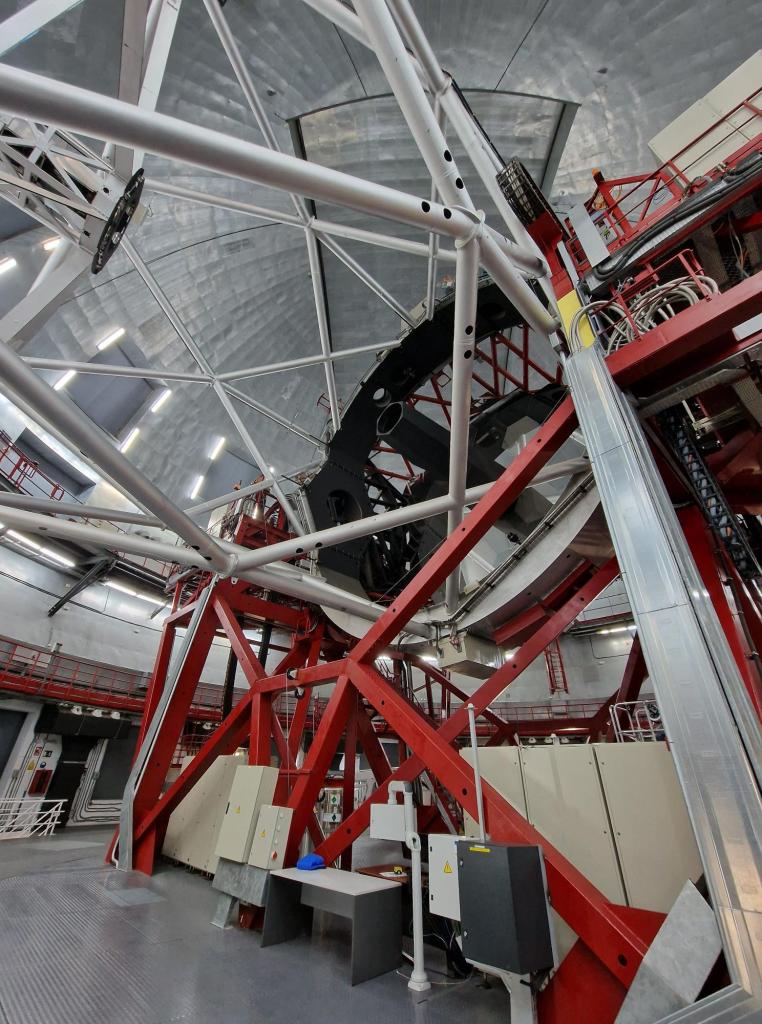
While on the excursion, the students got to see the Roque de Los Muchachos Observatory, which gets its name from the rocky mound it sits atop. At 2.42 kilometres above sea level, this location is the highest point on the island of La Palma. Because of its high altitude and dry atmosphere, this observatory has one of the greatest collections of professional telescopes in the world. Among these is the GTC (Gran Telescope Canarias), the biggest aperture (10.4m) telescope in the world.

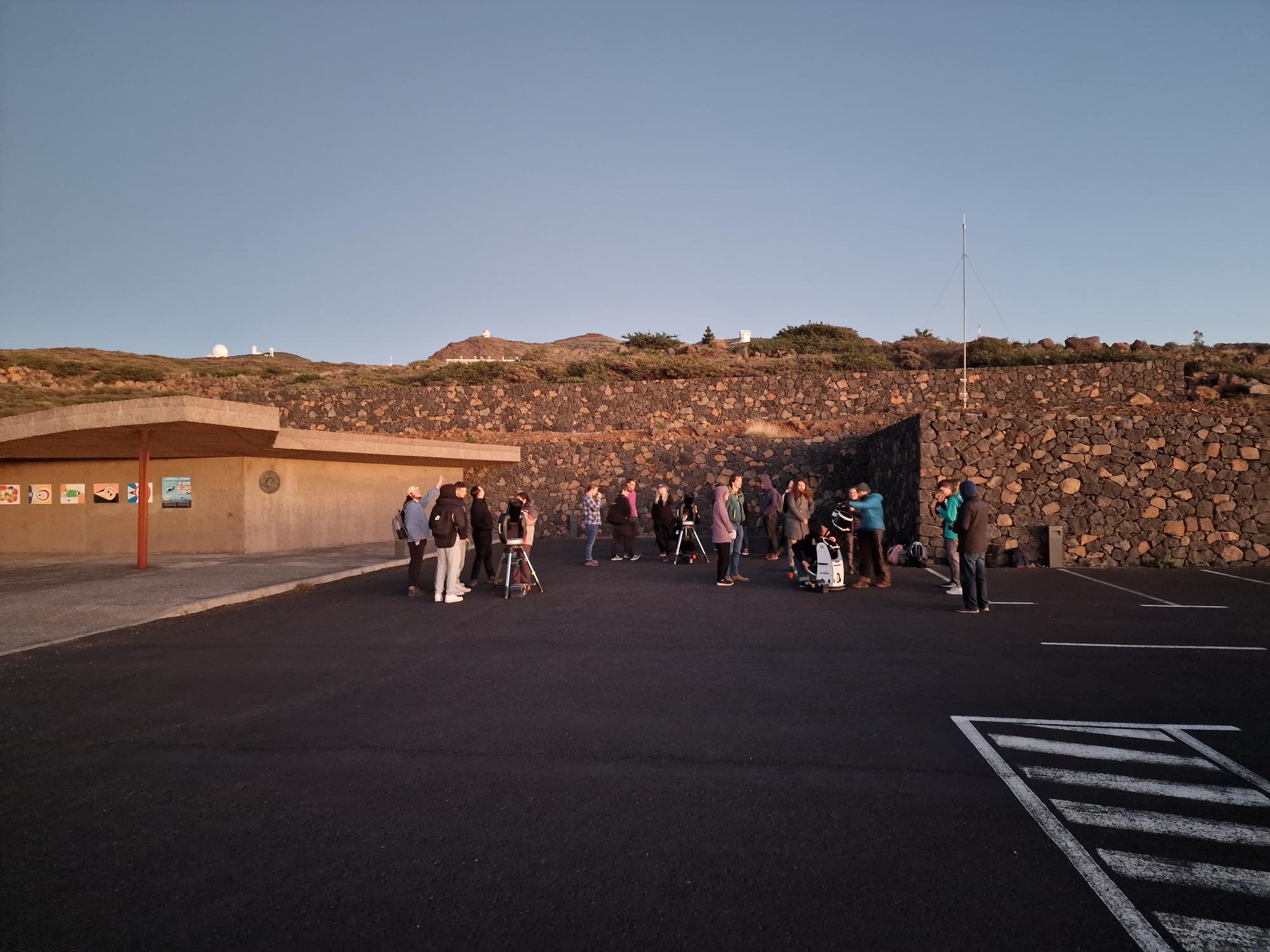
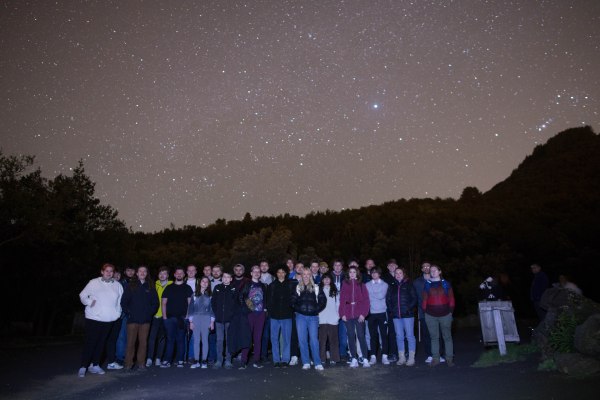
Students got the opportunity to conduct their own astronomical observations under one of the world’s darkest skies in addition to seeing the observatories during the day. Our students saw a variety of celestial objects, including galaxies, star clusters and Orion’s Nebula. 

While visiting the Roque de Los Muchachos Observatory we eve got the opportunity to watch the Sunset from above the clouds.

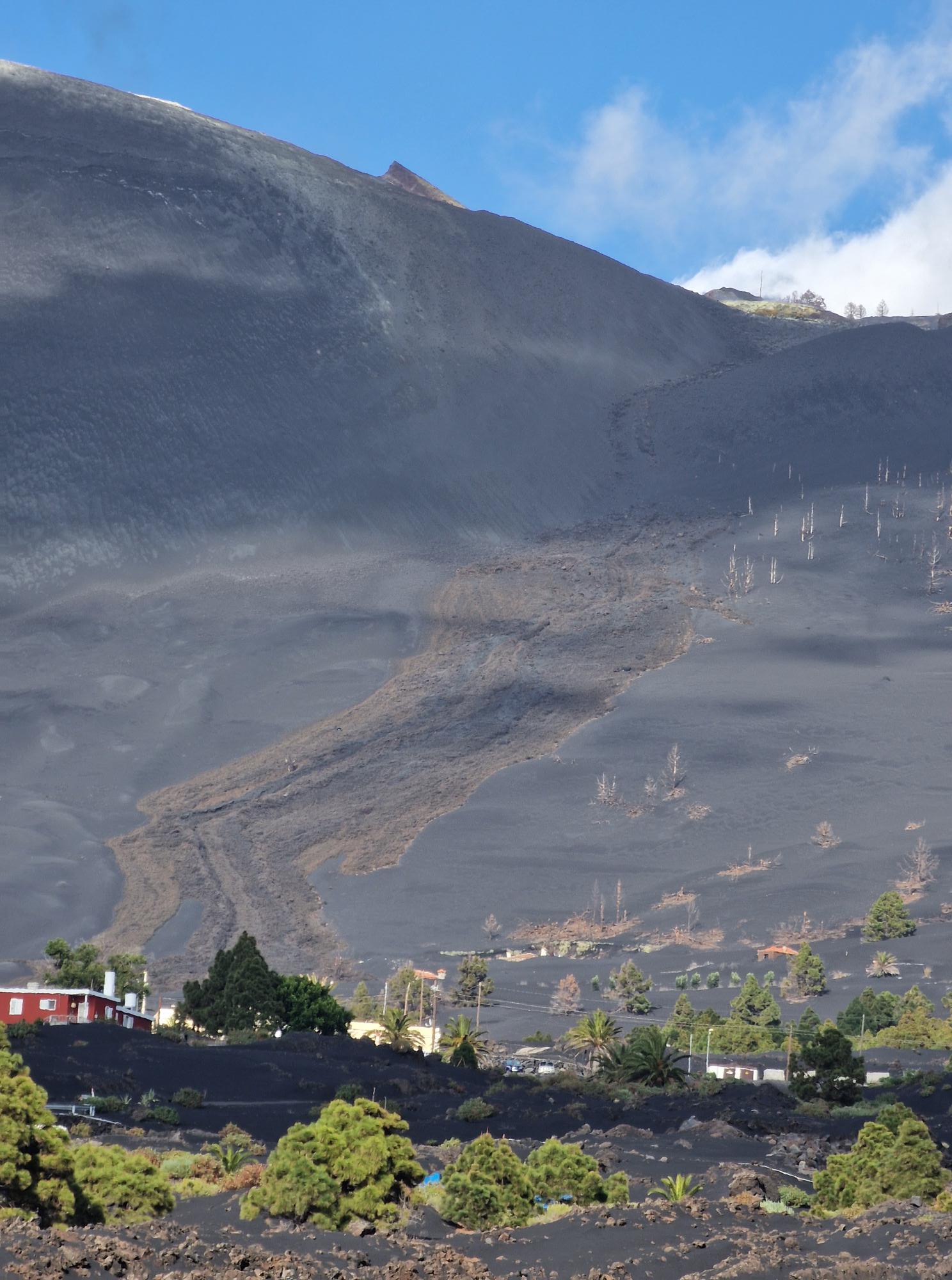
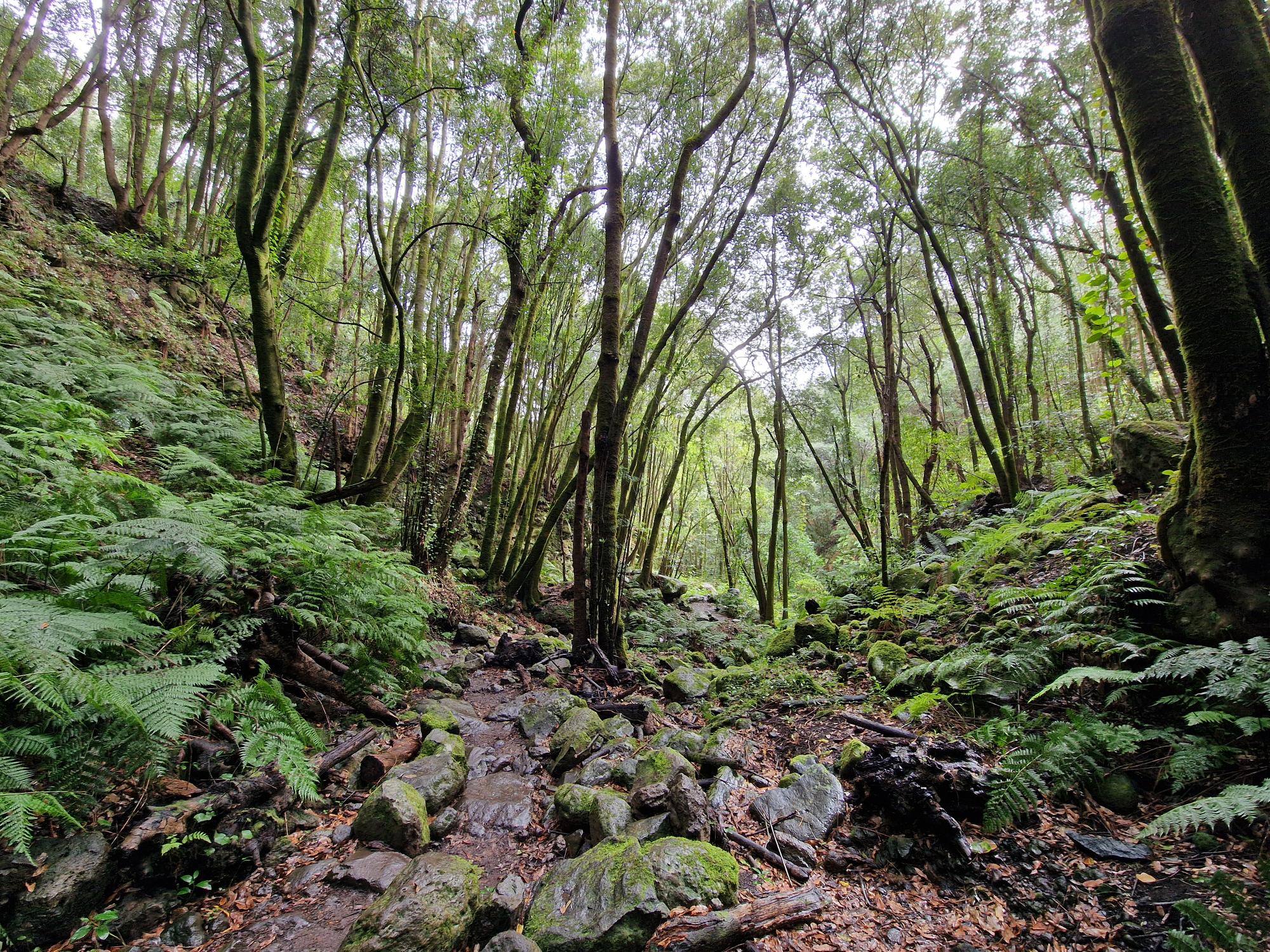
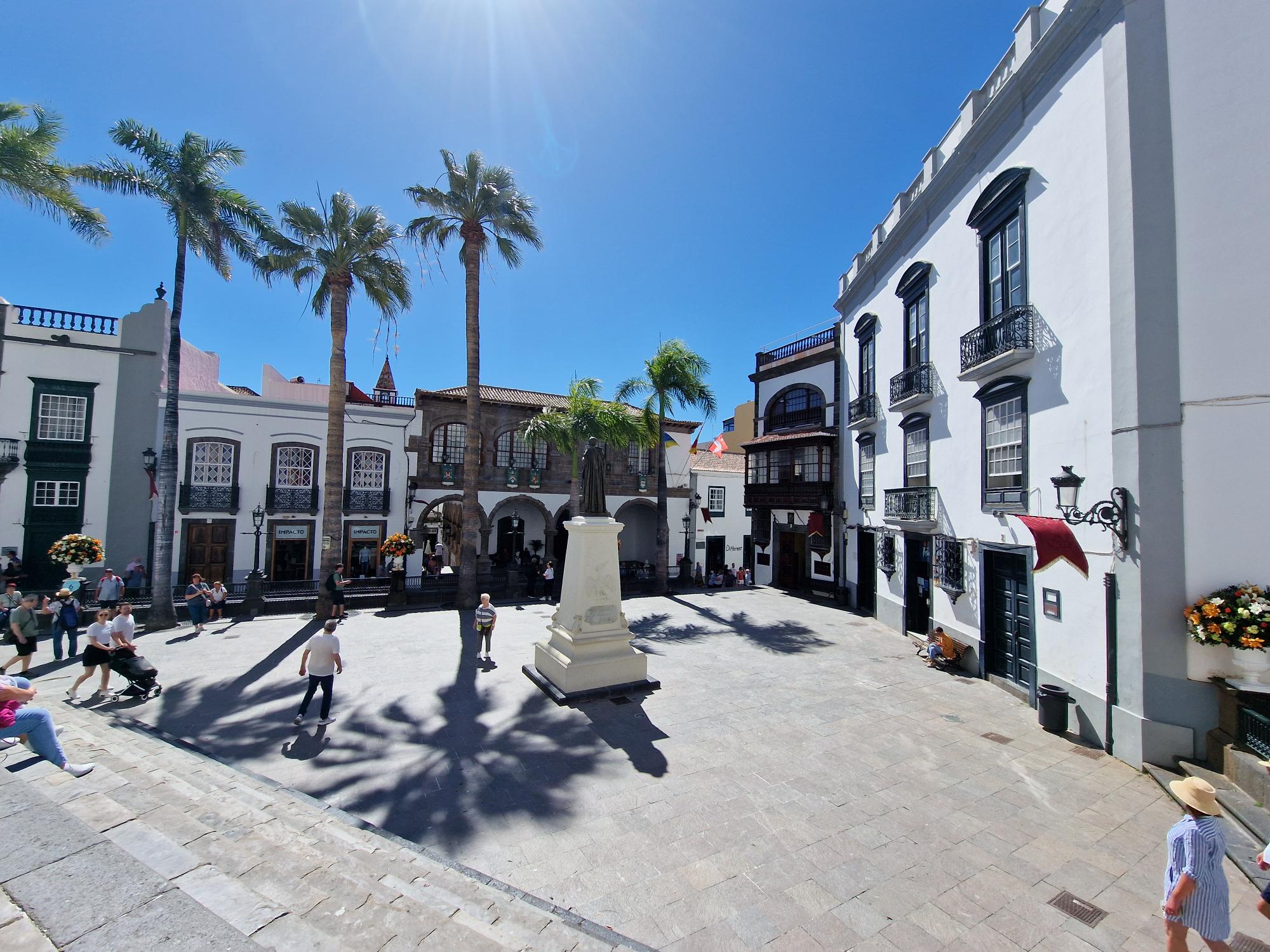
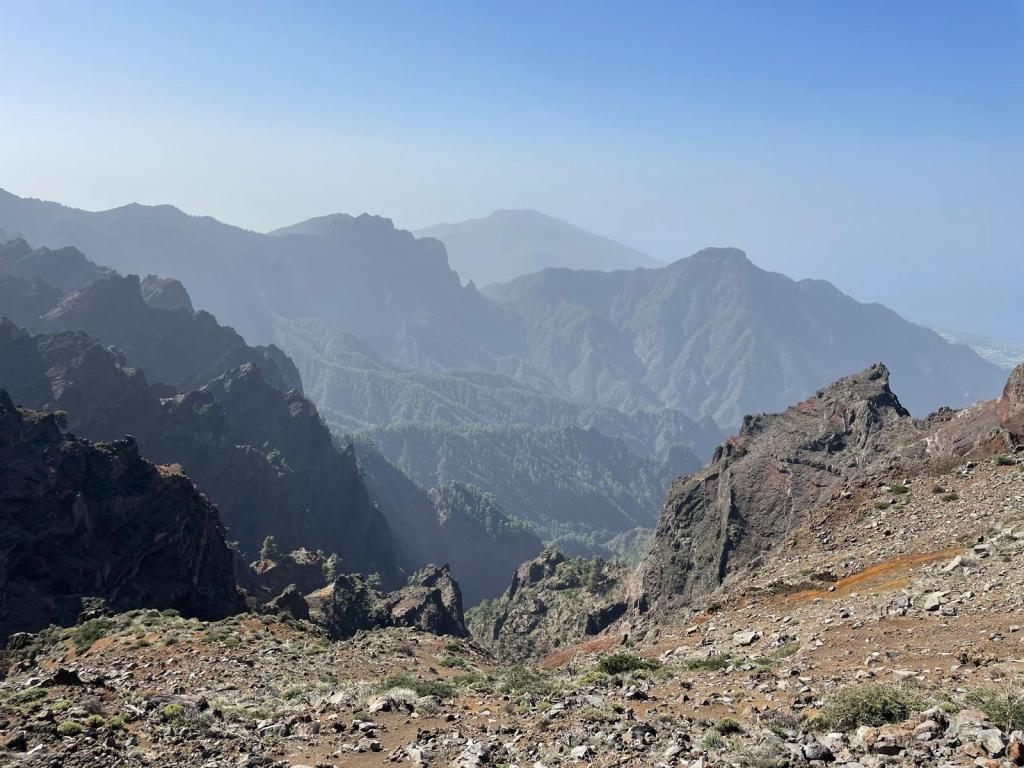
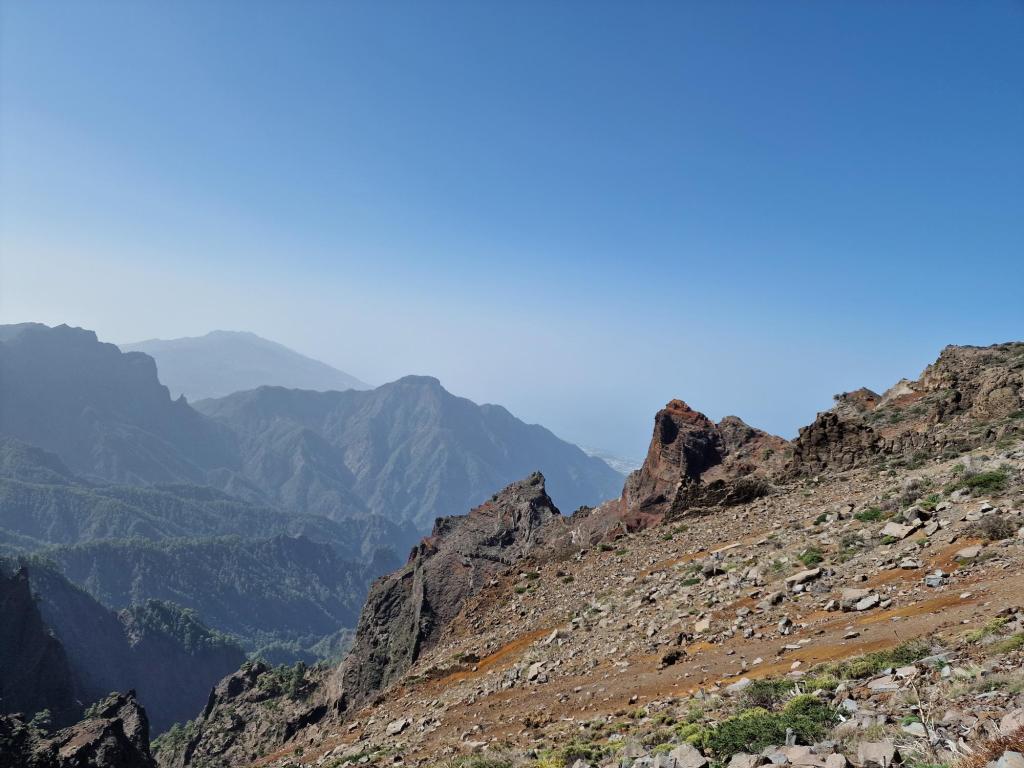
There were plenty of opportunities to tour the island of La Palma, take in some of the local culture in the town of Santa Cruz, visit the neighbouring beach, Plata de los Cancajos, the recent lava flows from the 2021 volcanic eruption, the rainforest to the north east of the island, in addition to setting up telescopes and studying the stars.

Thank you to Ana from La Palma Stars for helping organizing our trips and stargazing during our visit to La Palma: https://lapalmastars.com/en/

ASTRO-CHAT: MASS IN THE UNIVERSE: HOW MUCH “STUFF” IS OUT THERE?

AN ASTRO-CHAT WITH

PROFESSOR DON KURTZ

VISITING PROFESSOR, SCHOOL OF MATHEMATICS AND PHYSICS, UNIVERSITY OF LINCOLN, UK

THURSDAY, 7 DECEMBER 2023

7:00-8:00 PM

LIVE ONLINE

BOOK A PLACE

Astronomers can state the mass of the Earth, the planets and moons, the Sun and stars, giant black holes, galaxies, and even the whole universe. How do we know that? How do we weigh a planet, star, black hole, galaxy, or even the universe? And what about the mysterious dark matter and dark energy? Come find out!

This is our 17th Astro-Chat with our distinguished guest Professor Don Kurtz. The session will include a brief illustrated introduction followed by questions and answers. Members of the public will be able to ask questions in the live-chat. The event is hosted by Professor Andrei Zvelindovsky, Head of the School of Maths & Physics at the University of Lincoln, UK.

Lecturer in Astrophysics

The School of Mathematis adn Physics at the University of Lincoln has a New post open for Lecturer in Astrophysics. For full details see the following job advert:

https://jobs.lincoln.ac.uk/Vacancy.aspx?ref=COS983

The University of Lincoln opened the School of Mathematics and Physics in September 2014 as part of the College of Science. The school provides undergraduate and postgraduate education and conducts research in pure and applied mathematics, physics and astrophysics. The school is expanding its provision and is opening a new undergraduate Physics with Astrophysics degree from September 2023.

We are now seeking suitably qualified applicants for the post of Lecturer in Astrophysics to join our Astrophysics team.

The post holder will be expected to develop their own research and we are considering applicants with research interests in any aspect of astrophysics. Our successful candidate will be passionate about teaching and outreach, and will be prepared to deliver teaching in a range of modules offered by the school, including the Astrophysics modules of the new degree. The post holder will join a friendly community at the School of Mathematics and Physics and be part of our rising University, located at the heart of the historic city of Lincoln.

We are especially encouraging applications from groups underrepresented in STEM. Candidates with a career break are also encouraged to apply.

The University of Lincoln offers exciting career opportunities with the chance to grow and develop to reach your full potential. We also offer a wide range of staff benefits, including a generous annual leave allowance, progressive pay rates, access to discounts at popular stores and more. If you will need to relocate to Lincoln from within the UK or internationally for this opportunity, we understand how difficult this can be. We have dedicated support in place to make the process as simple for you as possible. 

2023 Astronomy Field Trip To La Palma For Lincoln Physics Students

During 23rd – 30th March 2023 the third year physics students in the School of Mathematics and Physics went on a field trip to La Palma in the Canary islands. the field trip links with the module “Physics of the Universe” and gives students a chance to visit the Roque de Los Muchachos Observatory, which house one of the largest collections of professional telescopes in the world. This includes the largest aperture (10.4m) telescope in the world, the GTC (Gran Telescope Canarias).

As well as visiting the observatories during the day students also had the chance to do their own astronomical observations and experience some of the darkest skies in the world.

There was also some free time during the week to enjoy the beautiful scenary the island has to offer.

Start a Blog at WordPress.com.

Up ↑